![[{[item.product.name]}]]([{[item.product.photo.url]}] 75w)



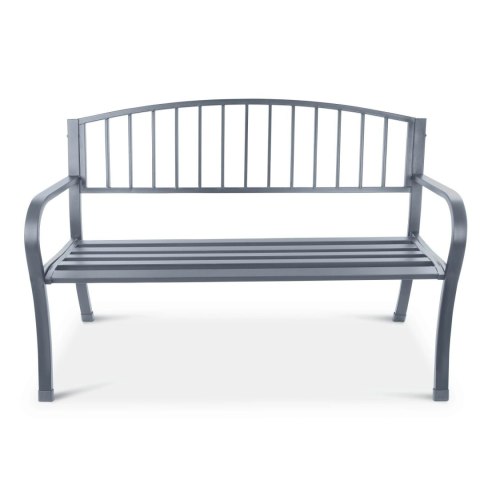

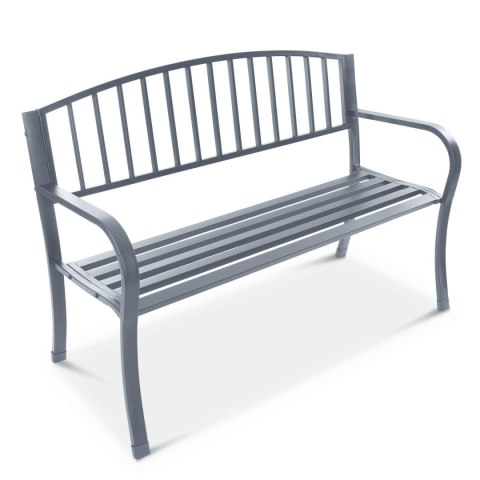
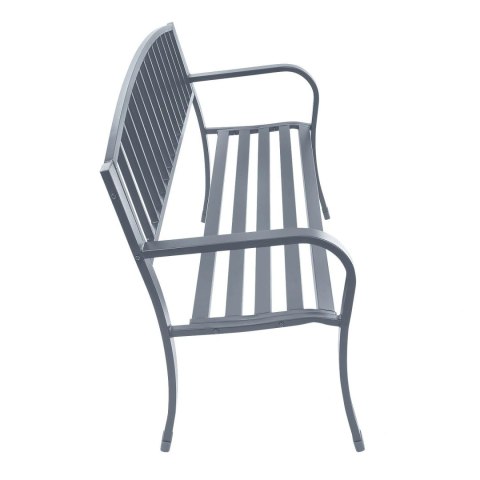
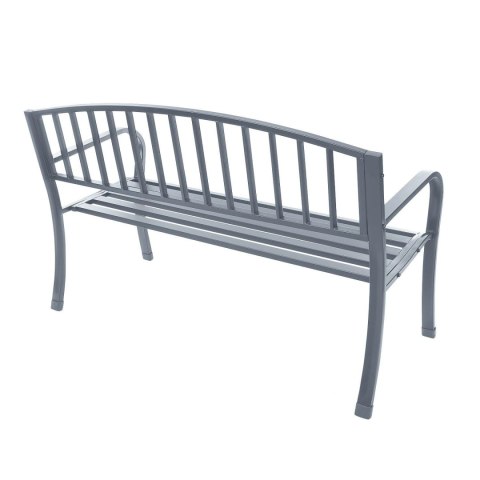

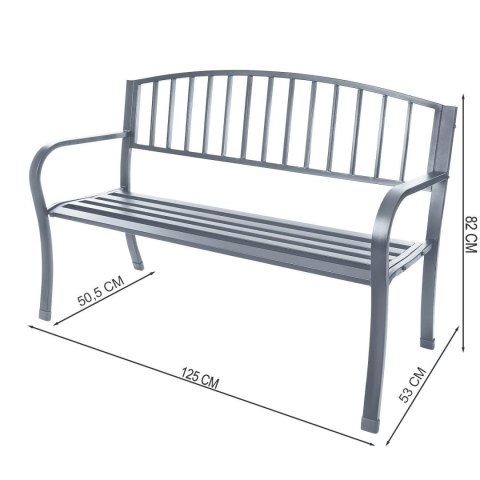
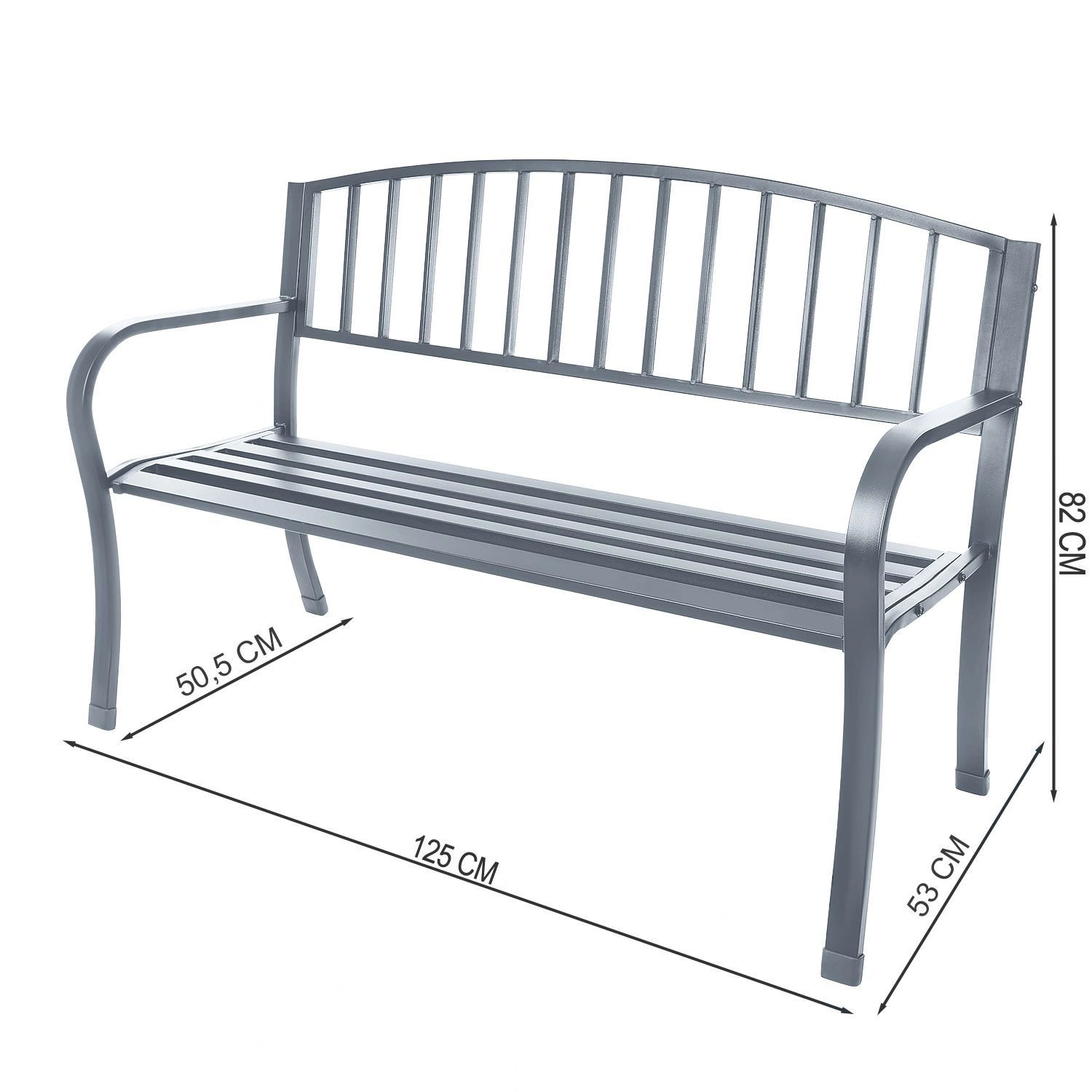
Ławka ogrodowa z oparciem parkowa na taras balkon metalowa konstrukcja grafitowa
The Symbol : 4240
The Availability Of : 63 opak
Price: 313.83
For free delivery are missing -,--
Sum 0,00 Kč
Price includes discounts
The Symbol : 4240
The Availability Of : 63 opak
Price: 313.83
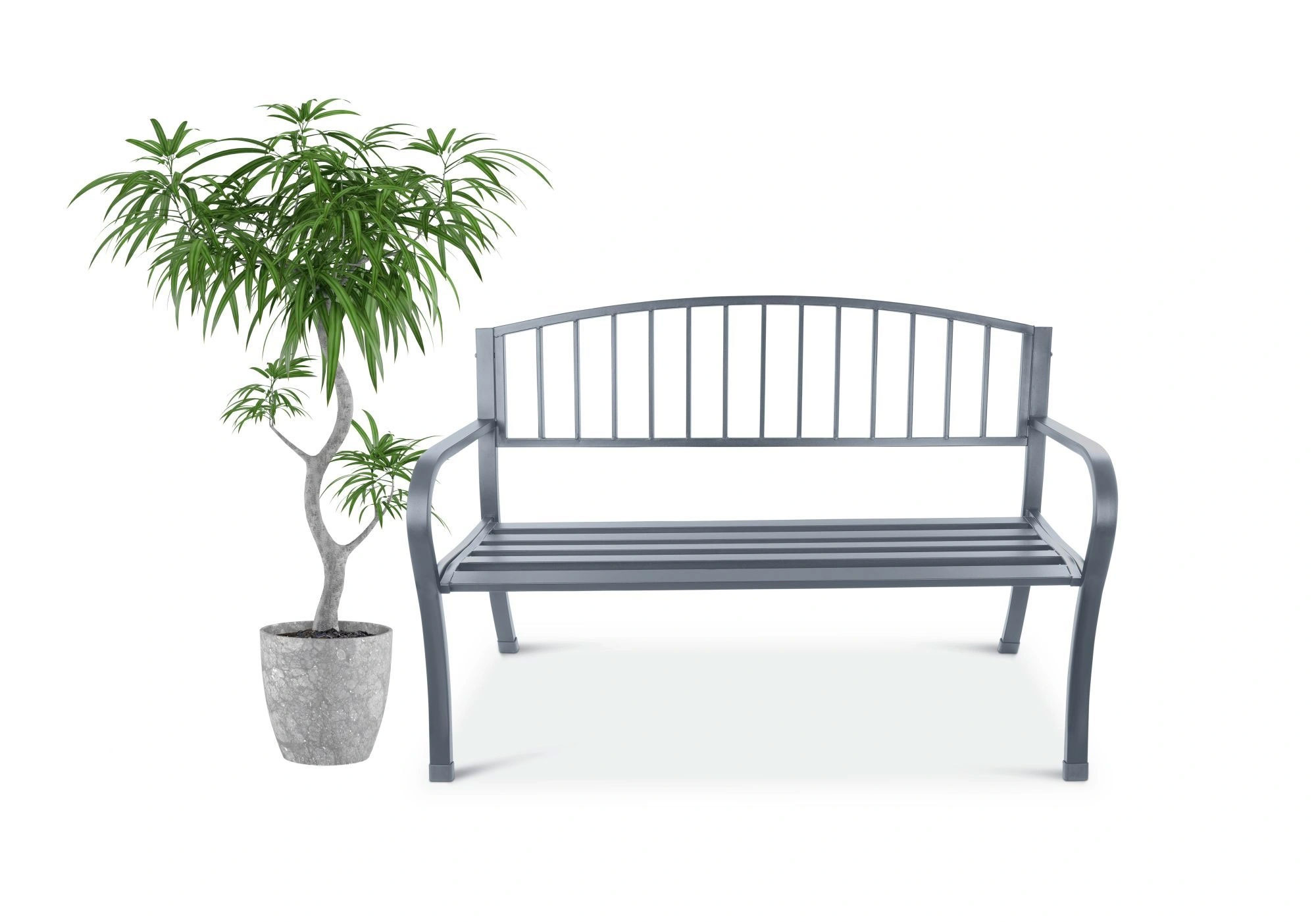
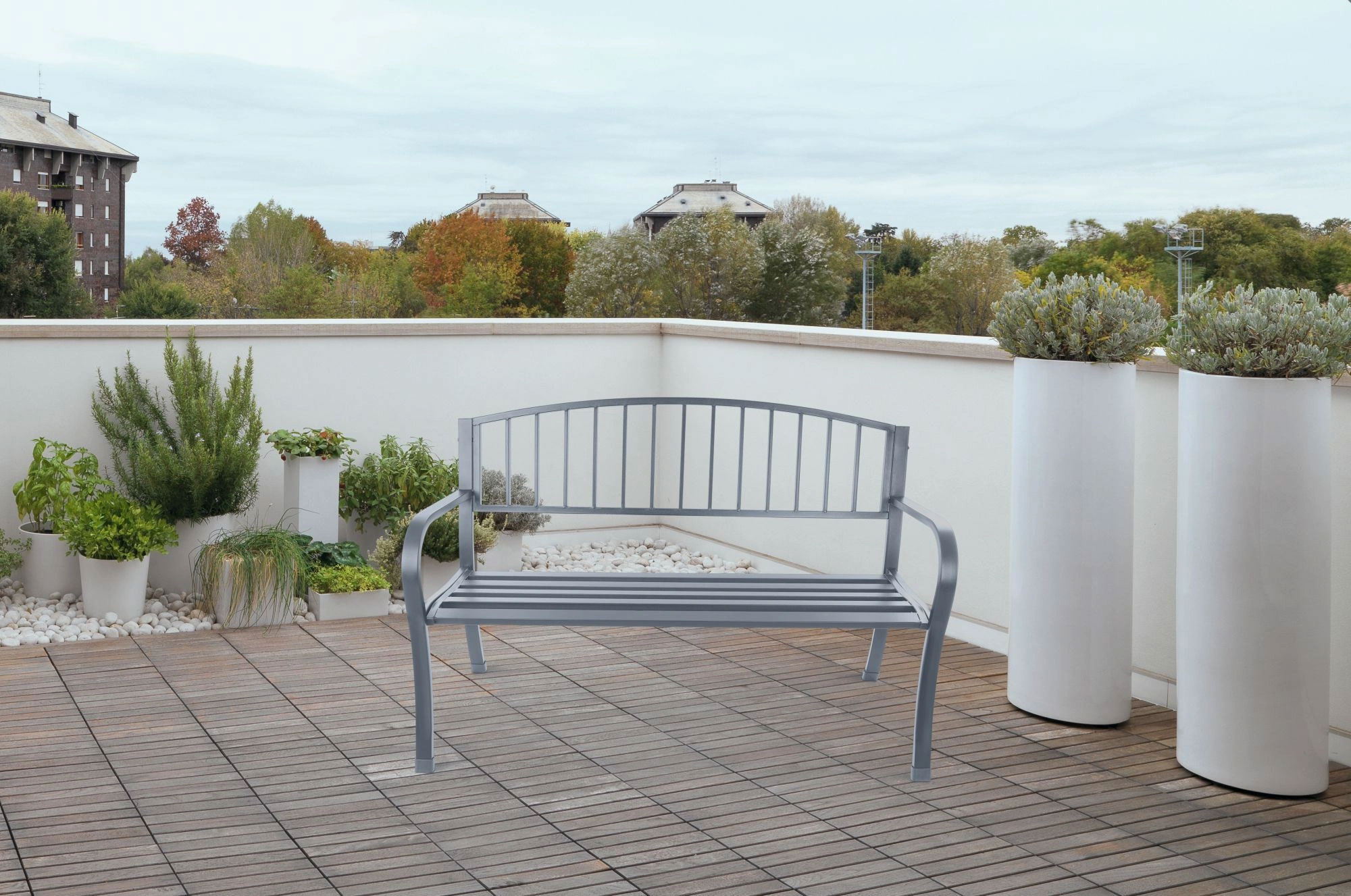
Stylowa ławka to idealne rozwiązanie do Twojego ogrodu, na taras czy balkon, niezależnie od pory roku. Klasyczny, parkowy design sprawia, że doskonale komponuje się zarówno z zieloną przestrzenią ogrodu, jak i nowoczesnymi aranżacjami tarasu czy romantycznym balkonem w stylu retro. Dzięki ergonomicznemu oparciu, zapewnia komfort nawet podczas dłuższego wypoczynku, a jej maksymalne obciążenie 180 kg sprawia, że jest to wybór nie tylko estetyczny, ale również niezwykle funkcjonalny. To doskonała propozycja dla każdego, kto ceni sobie trwałość, wygodę i ponadczasowy wygląd, który wpasuje się w każdą przestrzeń.
Ławka została zaprojektowana z myślą o maksymalnym komforcie użytkownika. Jej ergonomiczne oparcie zapewnia odpowiednie podparcie pleców, co pozwala na wygodne i zdrowe siedzenie przez dłuższy czas. Dzięki temu, możesz cieszyć się relaksem na świeżym powietrzu, bez obciążania kręgosłupa. Doskonale sprawdzi się zarówno podczas popołudniowego odpoczynku z książką, jak i dłuższych rozmów z bliskimi w ogrodzie, na tarasie czy balkonie.
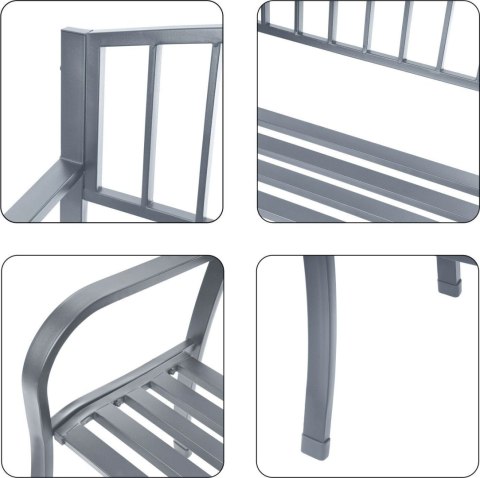
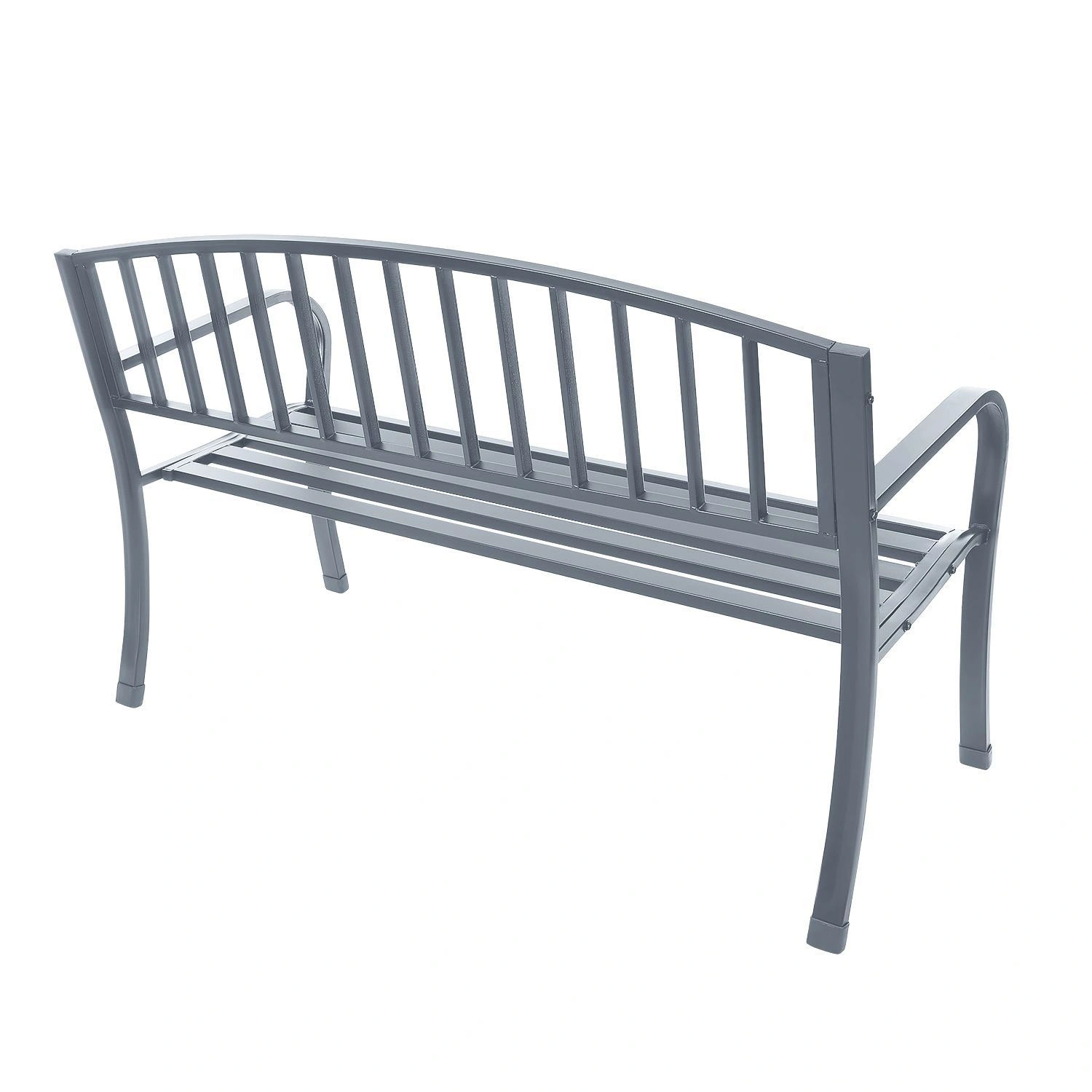
Stalowa konstrukcja ławki została pokryta specjalną powłoką ochronną, która skutecznie zapobiega powstawaniu rdzy i chroni powierzchnię przed uszkodzeniami mechanicznymi. Dzięki temu, mebel jest odporny na wilgoć, promieniowanie UV oraz zmienne warunki atmosferyczne, co zapewnia jego estetyczny wygląd i funkcjonalność przez wiele lat.
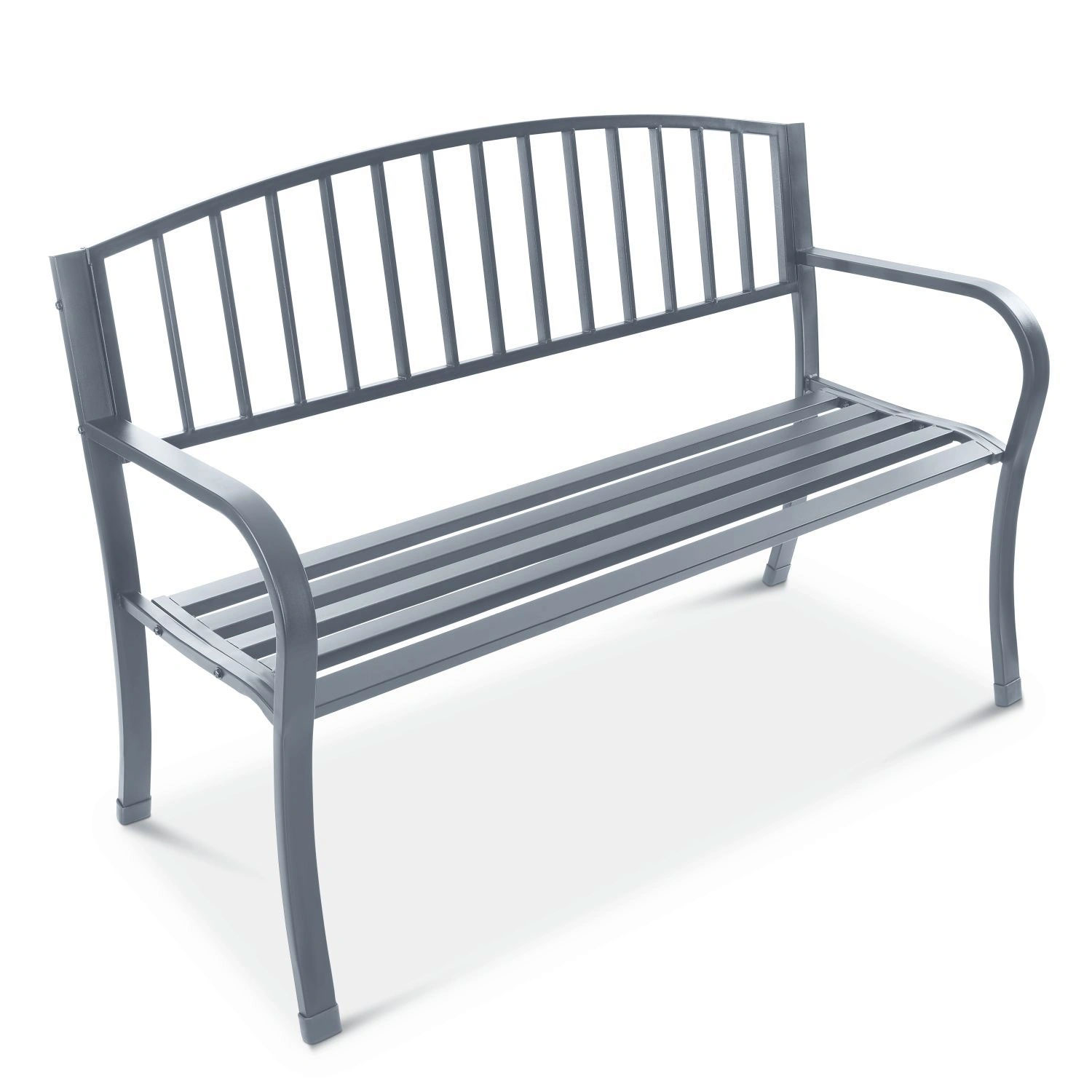
Nogi ławki zostały zakończone specjalnymi stopkami ochronnymi, które zabezpieczą powierzchnię przed zarysowaniami oraz zapobiegną przesuwaniu się ławki. To idealne rozwiązanie dla osób ceniących trwałość, bezpieczeństwo i estetykę użytkowania mebli na zewnątrz.
General hazards and precautions:
Risk of cuts and mechanical injuries: Use tools as intended to avoid injuries. Check the technical condition of the tools before starting work – damaged blades or handles can cause accidents1. Wear protective gloves to protect your hands from sharp edges of tools and plants.
Risk of discarding objects: While working, make sure that there are no other people nearby to avoid accidental strokes. Keep your tools in good technical condition – loose elements can lead to discard1.
Risk of slipping or falling: Work on a stable substrate, avoiding slippery surfaces. Keep your tools in order to prevent faults1. Use anti-slip footwear on the slope.
Risk of noise and hearing loss: If you use tools in combination with mechanical devices, use hearing protectors.
Risk of electrocution: Avoid using metal tools near electrical installations. Check the status of cables in electrical accessories and use properly grounded sockets1. Do not use electrical devices in a humid environment if they are not adapted for this.
Risk of overheating: Avoid long-term use of tools in full sunlight. Keep your tools in the shade or closed rooms to avoid excessive heating1.
Risk of losing control of the tool: Use tools with ergonomic handles to ensure a stable grip. Cutting tool blades should always be sharp to avoid excessive force during operation1.
Personal protective equipment:
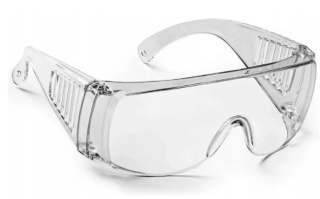
Protective glasses: When working with cutting tools.
Gloves and knee pads: To protect hands and knees while working on the ground.
Hat or hat: To protect yourself from the sun during long-term outdoor work.
Additional tips:
In a humid environment, use corrosion resistant tools.
Avoid working at extreme temperatures that can affect the durability of tools.
Regularly clean tools from mud and dirt to prevent damage.
Regularly lubricate moving tool parts to ensure smooth operation.
Keep your tools in a dry place to avoid corrosion.
Replace used elements such as blades to ensure efficiency of workGeneral hazards and precautions:
Risk of cuts and mechanical injuries: Use tools as intended to avoid injuries. Check the technical condition of the tools before starting work – damaged blades or handles can cause accidents1. Wear protective gloves to protect your hands from sharp edges of tools and plants.
Risk of discarding objects: While working, make sure that there are no other people nearby to avoid accidental strokes. Keep your tools in good technical condition – loose elements can lead to discard1.
Risk of slipping or falling: Work on a stable substrate, avoiding slippery surfaces. Keep your tools in order to prevent faults1. Use anti-slip footwear on the slope.
Risk of noise and hearing loss: If you use tools in combination with mechanical devices, use hearing protectors.
Risk of electrocution: Avoid using metal tools near electrical installations. Check the status of cables in electrical accessories and use properly grounded sockets1. Do not use electrical devices in a humid environment if they are not adapted for this.
Risk of overheating: Avoid long-term use of tools in full sunlight. Keep your tools in the shade or closed rooms to avoid excessive heating1.
Risk of losing control of the tool: Use tools with ergonomic handles to ensure a stable grip. Cutting tool blades should always be sharp to avoid excessive force during operation1.
Personal protective equipment:
Protective glasses: When working with cutting tools.
Gloves and knee pads: To protect hands and knees while working on the ground.
Hat or hat: To protect yourself from the sun during long-term outdoor work.
Additional tips:
In a humid environment, use corrosion resistant tools.
Avoid working at extreme temperatures that can affect the durability of tools.
Regularly clean tools from mud and dirt to prevent damage.
Regularly lubricate moving tool parts to ensure smooth operation.
Keep your tools in a dry place to avoid corrosion.
Replace used elements such as blades to ensure efficiency of workGeneral hazards and precautions:
Risk of cuts and mechanical injuries: Use tools as intended to avoid injuries. Check the technical condition of the tools before starting work – damaged blades or handles can cause accidents1. Wear protective gloves to protect your hands from sharp edges of tools and plants.
Risk of discarding objects: While working, make sure that there are no other people nearby to avoid accidental strokes. Keep your tools in good technical condition – loose elements can lead to discard1.
Risk of slipping or falling: Work on a stable substrate, avoiding slippery surfaces. Keep your tools in order to prevent faults1. Use anti-slip footwear on the slope.
Risk of noise and hearing loss: If you use tools in combination with mechanical devices, use hearing protectors.
Risk of electrocution: Avoid using metal tools near electrical installations. Check the status of cables in electrical accessories and use properly grounded sockets1. Do not use electrical devices in a humid environment if they are not adapted for this.
Risk of overheating: Avoid long-term use of tools in full sunlight. Keep your tools in the shade or closed rooms to avoid excessive heating1.
Risk of losing control of the tool: Use tools with ergonomic handles to ensure a stable grip. Cutting tool blades should always be sharp to avoid excessive force during operation1.
Personal protective equipment:
Protective glasses: When working with cutting tools.
Gloves and knee pads: To protect hands and knees while working on the ground.
Hat or hat: To protect yourself from the sun during long-term outdoor work.
Additional tips:
In a humid environment, use corrosion resistant tools.
Avoid working at extreme temperatures that can affect the durability of tools.
Regularly clean tools from mud and dirt to prevent damage.
Regularly lubricate moving tool parts to ensure smooth operation.
Keep your tools in a dry place to avoid corrosion.
Replace used elements such as blades to ensure efficiency of work
LONGWELL INDUSTRIAL LTD AXA CENTRE
151 GLOUCESTER ROAD
999077 HONGKONG
China
+86-0755-27072345
office@ningbosge.com
MULTISTORE ECOTOYS Krystian Ślebioda
Logistyczna 31
62-080 Poznań
Poland
61 855 13 92
sklep@multistore.pl